



From Circuits to Careers — Power Up with Electrical Engineering...
Electrical Engineering is among the oldest yet most dynamic fields of engineering, driving progress in everything from everyday household gadgets to advanced technologies in renewable energy, robotics, and communication systems. For students passionate about problem-solving, technology, and innovation, this field opens up limitless opportunities to create meaningful solutions that shape the future of society.
What is Electrical Engineering ?
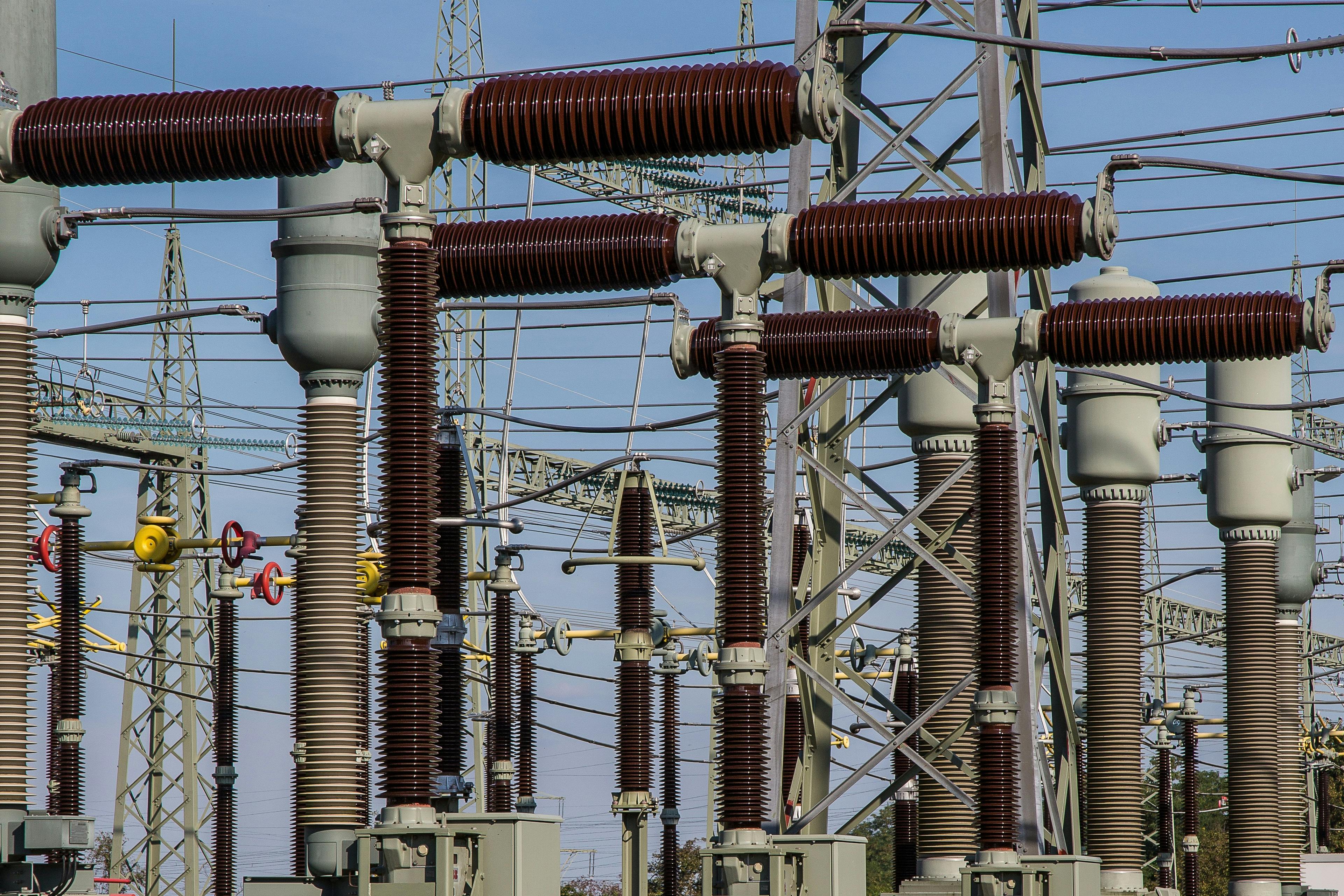
Electrical Engineering is one of the most dynamic branches of engineering, dealing with the study, design, and application of electrical systems. In simple terms, it’s about how electricity is produced, transmitted, and used to power everything around us. From your mobile phone and classroom lights to cutting-edge innovations like electric vehicles, satellites, and renewable energy plants—Electrical Engineers make it all possible.
Why Choose Electrical Engineering?
For students, Electrical Engineering offers the perfect mix of science and real-world problem solving. If you enjoy physics, love experimenting with circuits, or often wonder how machines run, this course could be an ideal fit.
Electrical Engineers don’t just “fix wires.” They:
• Build smarter cities and modern infrastructure
• Develop medical equipment that saves lives
• Design faster communication networks
• Work on futuristic technologies like artificial intelligence, robotics, and clean energy
By choosing this field, you gain not only technical expertise but also skills in creativity, innovation, and critical thinking—qualities that make you highly employable across industries.
Eligibility Criteria for Electrical Engineering
If you’re planning to build a career in Electrical Engineering, here’s what you need to know about the eligibility requirements in India:
At the Undergraduate Level (B.Tech/B.E.):
• Student must have completed Class 12 (10+2) with Physics, Chemistry, and Mathematics (PCM) as compulsory subjects.
• Most colleges require a minimum of 50–60% aggregate marks (the exact percentage may vary depending on the university or state).
• Admission is usually based on entrance exams, such as:
o National level exams: JEE Main, JEE Advanced (for IITs, NITs, IIITs, and other top institutes).
o State-level exams: Examples include MHT CET, WBJEE.
o University-specific exams: Like VITEEE, SRMJEEE, BITSAT.
o Some private universities also admit students based on merit in Class 12 or their own entrance test.
At the Postgraduate Level (M.Tech/M.E.):
• A B.Tech/B.E. degree in Electrical, Electronics, or related fields is required.
• A valid GATE score is essential for admission into reputed institutes like IITs, NITs, and many state/central universities.
Career Opportunities in Electrical Engineering
A career in Electrical Engineering opens up a world of opportunities across both government and private sectors. Electrical engineers can work in the power and energy sector, contributing to power plants, renewable energy projects, or smart grid systems that shape the future of electricity. The electronics and IT field offers roles in the semiconductor industry, embedded systems, and IT services, where technology meets innovation. In telecommunications, engineers design networks, develop 5G technology, and create IoT solutions that keep the world connected. The transportation sector, including railways, metro projects, and the booming electric vehicle industry, also offers exciting roles. For those passionate about innovation, research and development positions at organizations like ISRO, DRDO, and advanced technology labs provide the chance to work on cutting-edge projects. Additionally, Electrical Engineering opens doors to entrepreneurship, with opportunities to start ventures in robotics, green energy, a
Conclusion:
Pursuing a career in Electrical Engineering means stepping into a future where your ideas can light up cities, power industries, and shape technologies of tomorrow. With diverse opportunities and immense growth potential, this field is one of the best career choices for students passionate about technology, problem-solving, and innovation.