


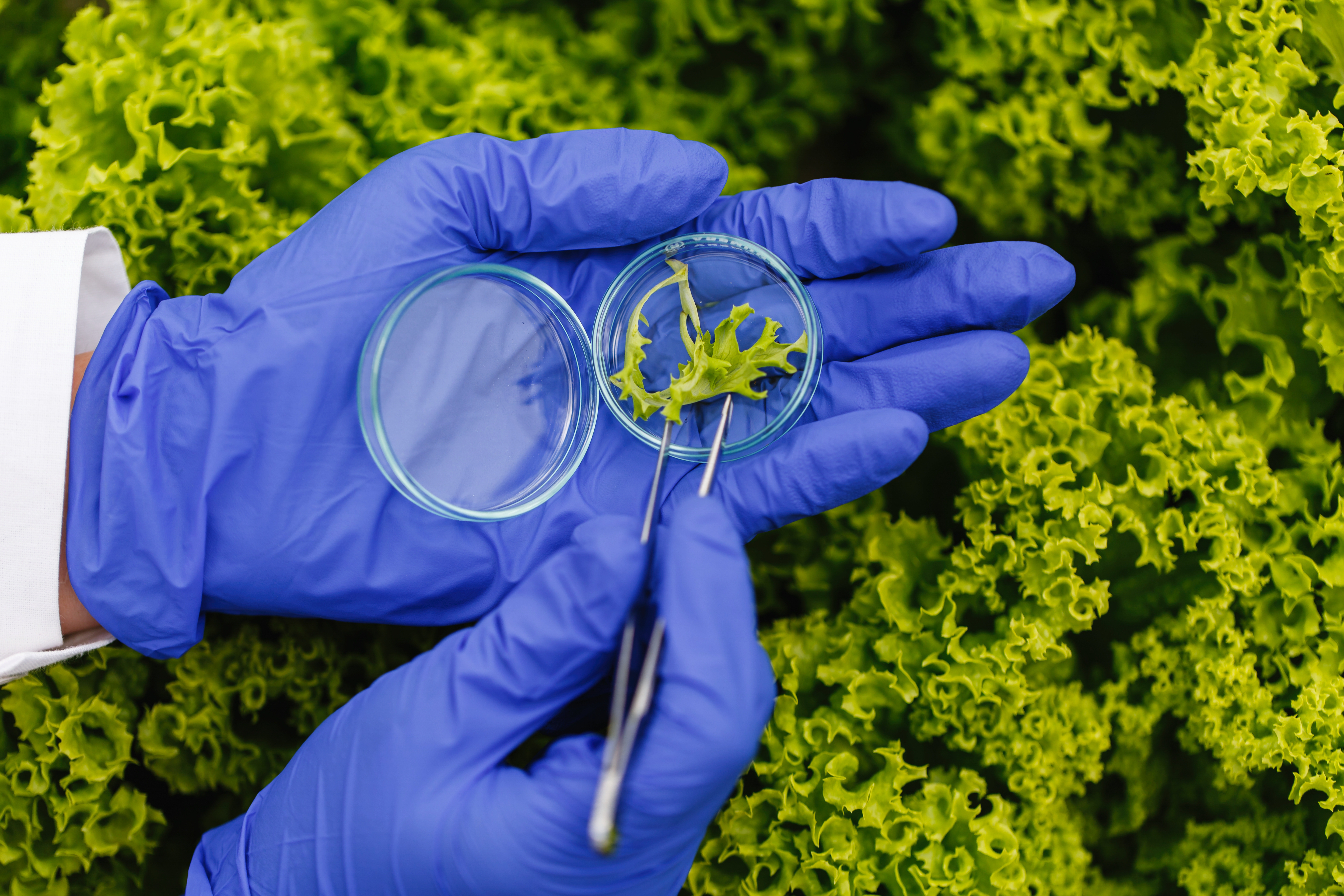

Bridging Biology and Innovation
Biotechnology Engineering is a field where biology, technology, and engineering come together to solve real-world problems. It opens doors to innovations in healthcare, agriculture, and environmental sustainability. From developing new medicines and vaccines to creating eco-friendly agricultural solutions, this career lets students explore the cutting edge of science and technology. If you are curious about biology, love experimenting, and enjoy using technology to make a difference, Biotechnology Engineering is a perfect path to turn your ideas into impactful solutions.
What is Biotechnology Engineering?
Biotechnology Engineering is an exciting field that combines biology and technology to create solutions that enhance human life and protect the environment. It focuses on understanding living organisms, cells, and biological systems to develop innovative products and technologies for healthcare, agriculture, food processing, environmental sustainability, and bioinformatics.
Students in this field explore subjects like genetics, molecular biology, microbiology, biochemistry, and chemical engineering. Alongside theory, they gain practical experience through lab work, research projects, and industrial training, equipping them with the skills needed for a diverse range of career opportunities in science and technology.
Who Should Choose Biotechnology Engineering?
Biotechnology Engineering is a great fit for students who
• Are fascinated by biology, chemistry, and technology.
• Enjoy solving problems and learning through experiments and research.
• Are curious about medical breakthroughs, sustainable solutions, and modern agriculture.
• Want a career where science and technology meet real-world applications.
If you love experimenting, inventing, and using science to make a difference, Biotechnology Engineering could be the perfect path for you.
Eligibility Criteria to Pursue Biotechnology Engineering in India
To pursue Biotechnology Engineering in India, students need to meet certain educational requirements:
At the Undergraduate Level (B.Tech/B.E. in Biotechnology):
• Completed Class 12 (10+2) with Physics, Chemistry, and Mathematics (PCM) or Physics, Chemistry, and Biology (PCB), depending on the institution.
• A minimum aggregate of 50–60% in Class 12 (criteria vary by college).
• Admission is usually through national or state-level engineering entrance exams such as JEE Main, JEE Advanced, or respective state-level exams and university specific entrance exams. Some private universities also offer direct admission based on Class 12 scores.
At the Postgraduate Level (M.Tech/M.Sc in Biotechnology):
• A bachelor’s degree in Biotechnology, Biology, Biochemistry, Microbiology, or related fields.
• Admission is through exams like GATE, university-specific entrance tests, or merit-based selection.
Career Opportunities in Biotechnology Engineering
A degree in Biotechnology Engineering offers diverse career opportunities across healthcare, agriculture, research, and industrial sectors. Graduates can pursue medical and pharmaceutical research, contributing to the development of new drugs, vaccines, and therapies in biotech and pharmaceutical companies. They may also work in genetic engineering and molecular biology, focusing on gene editing, DNA mapping, and researching genetic diseases. In agricultural biotechnology, professionals help improve crop yields, develop pest-resistant plants, and promote sustainable farming practices. Environmental biotechnology opens avenues in pollution control, waste management, and the creation of eco-friendly technologies, while the food and beverage industry offers roles in food processing, nutrition, and quality control. Additionally, bioinformatics and data analysis allow engineers to combine biology with computer science to interpret complex biological data. Biotechnology engineers can also venture into entrepreneur
Conclusion
Biotechnology Engineering is a career for curious minds who want to combine science, engineering, and innovation to make a tangible difference in the world. With the increasing demand for biotechnology solutions in healthcare, agriculture, and the environment, this field offers immense opportunities for growth, research, and global impact. If you are passionate about biology, technology, and problem-solving, pursuing a career in Biotechnology Engineering can be both rewarding and fulfilling.