


For many Indian students and parents, the ‘NRI quota’ in professional courses (especially medical and engineering) represents an alternate route that often promises certain advantages: fewer competition, more seats reserved and sometimes higher fees—but also higher stakes. Recently, disturbing news of a large-scale racket involving fake NRI certificates and forged relationships has exposed serious risks underlying this route.
Thus, clear awareness is vital: not just of the rules but of the actual practices, pitfalls and due-diligence required. This blog will walk you through:
What is the NRI Quota?
In many Indian colleges (especially self-financing private institutions), a portion of seats is reserved for ‘Non-Resident Indian’ (NRI) category students. The logic originally: NRIs (who live abroad) pay higher fees, bringing in foreign exchange and helping subsidise the institution. In return, the reserved seats allow children of NRIs (or sometimes relatives) to compete in a separate category with less competition and different fee/funding structures.
In practice: The candidate under the NRI quota is expected to have a genuine NRI sponsor (often a relative living abroad) who meets eligibility criteria, and pay the fee from abroad (in foreign currency or via NRI sponsor).
What’s changed recently? Why the buzz?
Major media reports have revealed misuse of the NRI quota: thousands of seats in MBBS/PG medical courses have allegedly been allotted using fake documents, bogus ‘sponsors’ and forged certifications.
Key issues discovered
In light of this, authorities have tightened the rules:
The Updated Issue of NRI Certificates
Key points any student/parent should be aware of:
Why This Matters for Your Career and Future
As students and parents making career decisions, choosing an NRI-quota seat might feel like a shortcut—but it comes with heightened risk. Here’s why you need to be cautious:
Warning Signs/Red-Flags to Watch Out For
If you are considering an NRI quota route, look out for these warning signs:
Advice for Students and Parents – What You Should Do
Here are actionable steps you should follow:
Since the NRI quota is increasingly under scrutiny, it is wise to consider other pathways:
Final Thoughts
At Right Mentors, we emphasise two guiding principles for young aspirants and families: clarity and choice.
Wishing every aspirant the very best—may your career path be transparent, safe and built on merit.

When Indian students think about prestigious higher education institutions, names like IITs, NITs, and AIIMS usually dominate the conversation. Engineering and medicine continue to attract the attenti
20 Jun 2026.jpeg)
For decades, the Indian Institutes of Management (IIMs) have been synonymous with excellence in management education. Traditionally known for their prestigious MBA and Post Graduate Programmes (PGP),
17 Mar 2026.jpeg)
In recent years, studying in India has emerged as a compelling and strategic choice for students from across the globe. As the global higher education landscape evolves, India is no longer viewed mere
14 Jan 2026
For many Indian students and parents, the ‘NRI quota’ in professional courses (especially medical and engineering) represents an alternate route that often promises certain advantages: few
01 Dec 2025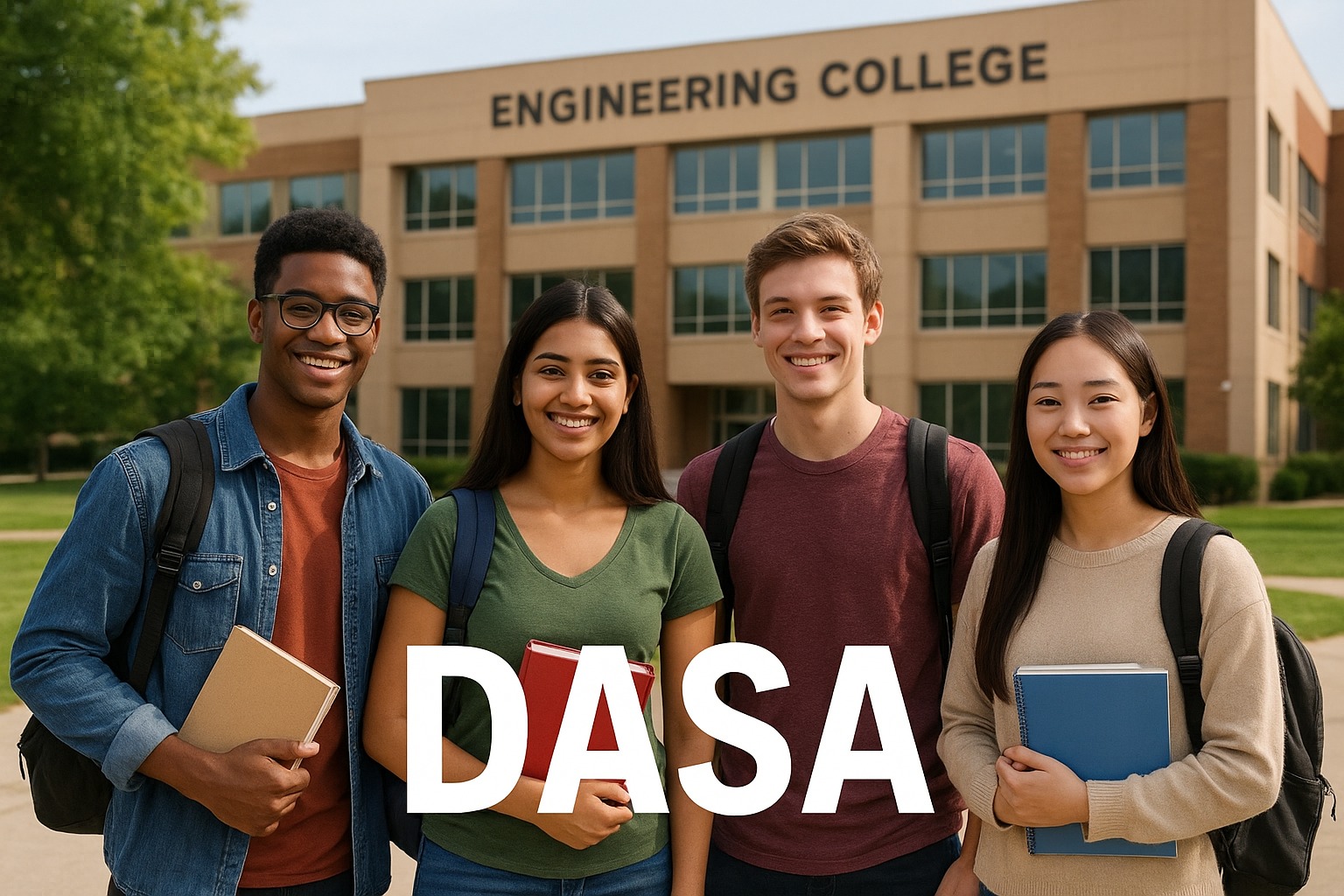
India has always been a land of knowledge, innovation, and timeless wisdom. In the last few decades, it has also emerged as a global hub for higher education, known for its academic excellence, af
23 Oct 2025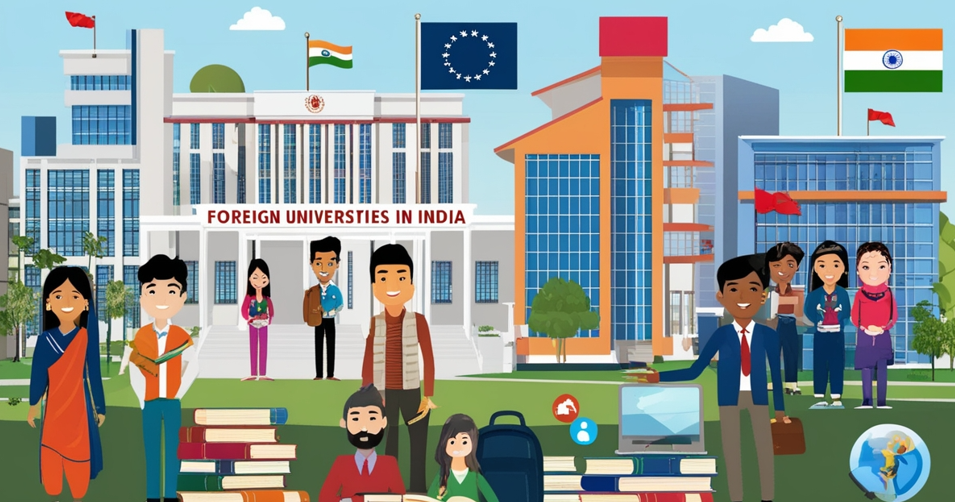
In recent years, the idea of foreign universities establishing campuses in India has shifted from speculation to policy. Under the UGC’s 2023 regulations, top global institutions (ranked among t
05 Oct 2025
If you're a high school student in India—or the parent of one—you’ve probably felt it. That uneasy mix of excitement and anxiety, of dreams and doubts. One moment, you're fascinated
21 Aug 2025
When Rhea Sharma returned to India after earning her Master’s in International Relations from a prestigious European university, she was brimming with hope. She envisioned joining a think ta
01 Jul 2025
Graduate Aptitude Test in Engineering (GATE) isn’t an everyday entrance exam – it is a gateway to building an illustrious career combining academics and research. For those who dream of de
25 Mar 2025
World famous American architect, designer, writer and educator Frank Lloyd Wright Sr. who lived in the 20th century had famously remarked: “The mother art is architecture. Without architecture o
10 Mar 2025
High-level sports are a prime venue for the expression of human beauty, wrote David Foster Wallace in an article in the New York Times, back when Roger Federer was dominating the tennis world with his
25 Feb 2025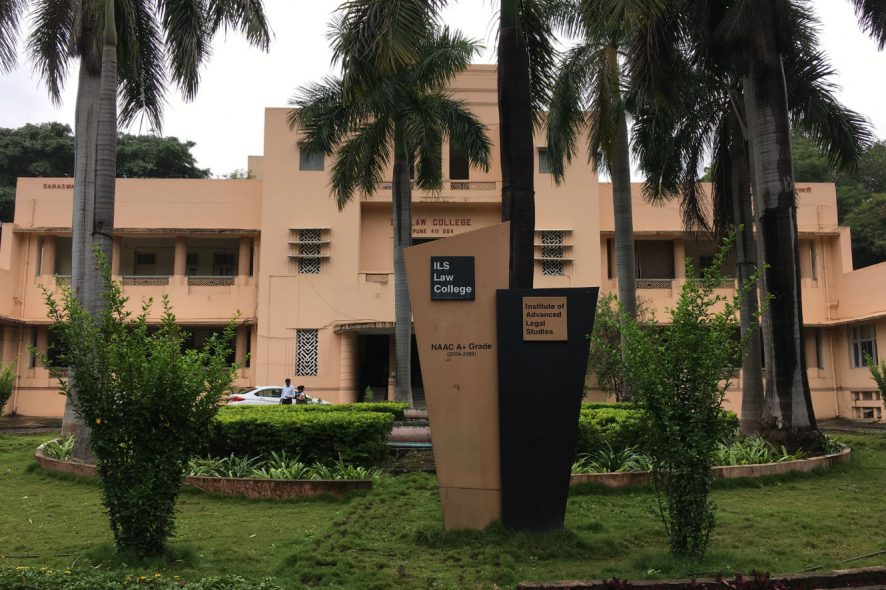
Those who watched Elle Woods in Legally Blonde, the iconic Hollywood flick, would have had aspired to take up law as a career. Who wouldn’t want to emulate Woods signature blend of charm, wit an
01 Mar 2025
It goes without saying that the primary aim of studying is to build a career, settle in it and earn money, everyone – be it your parents, teachers, and those whom you idolize have done this or a
27 Feb 2025
Socrates, Plato or Aristotle, the big three of philosophy, or Max Weber and Karl Marx, some of the most famous sociologists, or Aryabhatta, Kalidasa, Dr. B.R. Ambedkar, Pandit Jawaharlal Nehru, and ma
01 Mar 2025